
12 Oct 2026
Indian Rupee Gains in Offshore Market
Indian Rupee Gains in Offshore Market after RBI Steps in to Help Depressed Currency
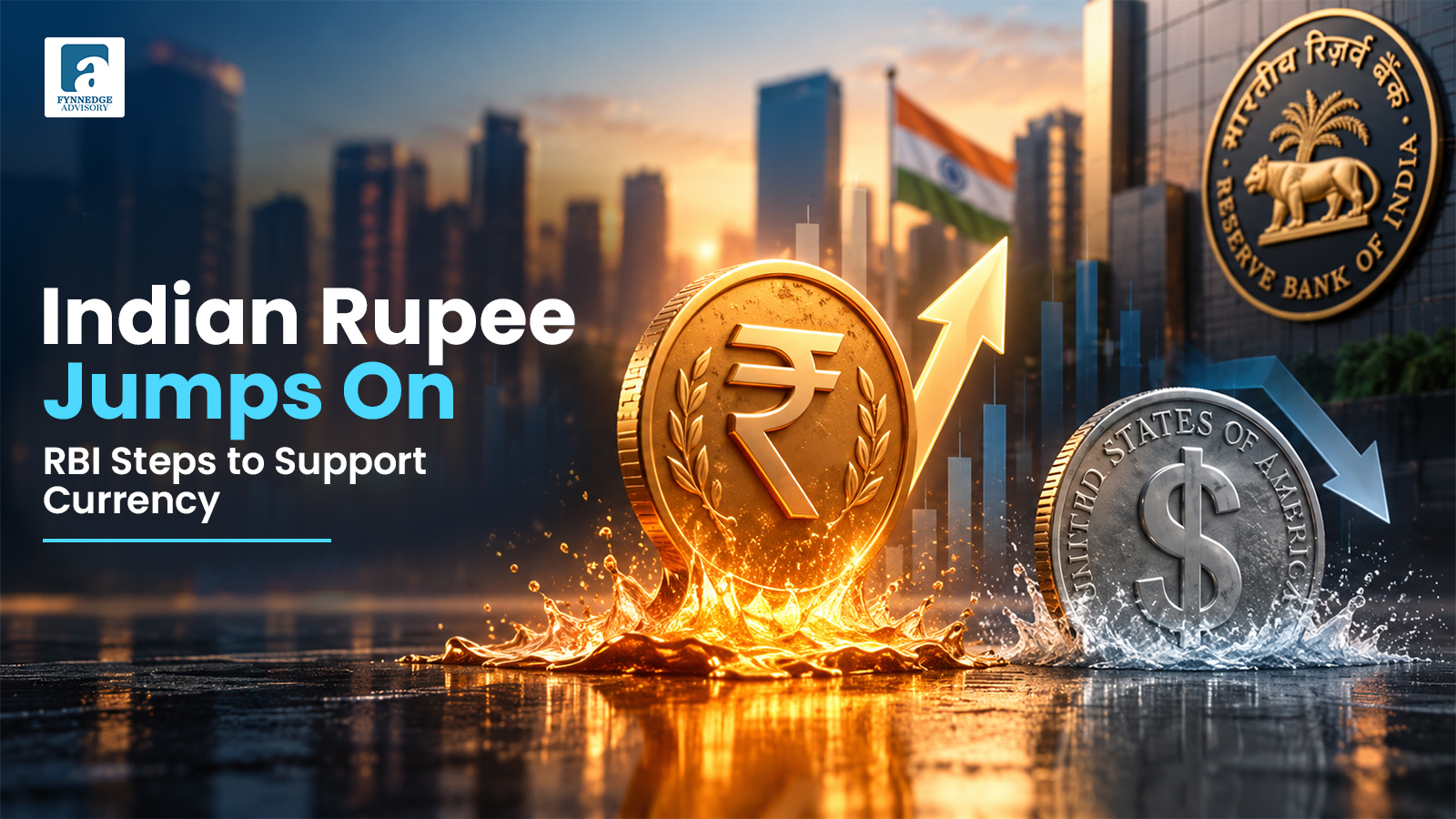
Indian Rupee Gains in Offshore Market after RBI Steps in to Help Depressed Currency
New Delhi, October 12, 2026: The Indian rupee gained ground in offshore trading after the Reserve Bank of India moved to support the battered currency. The measures by the central bank to shore up the rupee and reduce its vulnerability to further declines are likely to have implications for borrowers. The rupee's movements have since drawn the attention of many individuals towards the country's broader economic prospects, interest rates and implications for their own borrowing. For instance, one might look at the situation in order to time a personal loan or just take the opportunity to consider how the wider economy works.
Why did the Indian Rupee Strengthen in Offshore Trading?
The Indian rupee gained in offshore trading on Monday after the RBI announced measures to reduce pressure on the currency. One-month dollar-rupee non-deliverable forwards rose by as much as 2.7 per cent to reach 94.17 per dollar before giving up some of the gains.
The RBI introduced these measures after the rupee approached a record low near 97 against the US dollar. The recent actions of the central bank are steps toward stabilisation of the currency amidst rising oil prices, an increase in dollar demand, and outflow of foreign funds. However, the latest rally is not a reason to celebrate that the rupee is going to appreciate any time soon.
For a borrower eyeing a personal loan, it's a healthy reminder that the state of the economy can impact not only the interest rate they may be offered, but also inflation, and therefore their family budget.
What Measures Has the RBI Introduced?
The measures taken by the RBI include steps to ease pressure on the Indian rupee and to stabilise the foreign-exchange market:
● Special dollar facility: The RBI opened a special window to meet the dollar requirements of state-run oil companies, which should take the purchase of dollars away from the general spot market.
● Restrictions on derivative contracts: The central bank put restrictions on rebooking certain cancelled rupee-linked foreign-exchange derivatives.
● Higher hedging costs: Banks must maintain a 20% cash reserve against certain foreign-exchange derivative contracts, potentially making some hedging transactions more expensive.
● Action against speculative activity: The measures are aimed at curbing excessive demand for forward dollars, which were putting pressure on the rupee.
The steps taken are aimed at easing immediate currency-market pressures. The long-term impact will be determined by oil prices, inflows of foreign capital and the global economy.
How Could Movements in the Rupee Affect Borrowers of Personal Loans?
While currency movements do not dictate every rate on personal loans, the overall economy has an impact on inflation, monetary policy, and thus personal loans.
A weaker Rupee would make imported goods such as crude oil and some raw materials more expensive, leading to higher inflation and higher household expenditures on fuel, transport and other goods.
When it comes to a personal loan, higher household expenditures could mean a lower capacity to service monthly EMIs.
Borrowers considering taking an instant personal loan should therefore evaluate their monthly budget before finalising an offer.
A stronger rupee may ease some currency-related concerns, but it does not guarantee lower borrowing costs. Anyone exploring a Fynnedge loan should compare the applicable interest rate, processing fees, repayment tenure, and total repayment amount before making a decision.
Personal Loan and Instant Personal Loan: What Should Borrowers Check?
An uncertain economic environment makes responsible borrowing important. Before applying for a personal loan, borrowers should evaluate their income, existing financial commitments, and repayment capacity.
The following factors deserve attention when comparing:
1. Interest rate: Compare the annual interest rate offered by different lenders. Do not assume that every instant personal loan comes with a lower rate because the application process is faster.
2. Monthly EMI: Calculate the expected EMI and check whether it fits comfortably within your monthly income after essential expenses.
3. Processing charges: Review processing fees, applicable taxes, and other charges that may increase the overall cost of a personal loan.
4. Repayment tenure: A longer tenure may reduce the monthly EMI but can increase the total interest paid over the loan period.
5. Eligibility requirements: Check the lender's income, employment, credit score, and repayment history requirements before submitting an application.
Borrowers researching a Fynnedge loan should also verify the available lender options, eligibility conditions, and final terms applicable to their individual circumstances.
Is an Instant Personal Loan Suitable During Economic Uncertainty?
An instant personal loan can help eligible borrowers meet urgent expenses, depending on the lender's approval process and disbursement timeline. However, speed should not be the only factor when choosing a loan.
Before applying for a personal loan, consider whether the expense is essential, whether savings can cover part of the cost, and whether the EMI will remain manageable if other expenses increase.
People considering a Fynnedge loan should review the relevant loan information and understand the terms before proceeding. Loan approval, interest rates, and disbursement timelines depend on the lender's policies and the applicant's eligibility.
What Should Borrowers Expect Next?
The rupee's recovery will depend on several factors, including crude oil prices, foreign portfolio investment flows, and the direction of the US dollar. The RBI's latest measures may ease immediate pressure, but sustained stability will require favourable underlying conditions.
For households, the practical approach is to monitor essential expenses, maintain an emergency fund where possible, and avoid taking on more debt than they can comfortably repay.
Conclusion
The Indian rupee's strengthening in offshore trading following the RBI's latest measures highlights the central bank's efforts to manage currency-market pressure. Although the recovery may improve market sentiment, the longer-term outlook remains linked to oil prices, foreign capital flows, and global currency trends.
For borrowers, the key takeaway is to make borrowing decisions based on affordability rather than short-term market movements. Before choosing a personal loan, compare interest rates, fees, eligibility criteria, and repayment obligations. Those exploring a loan should review the applicable terms and lender details carefully to determine whether the borrowing option suits their financial needs.