
09 Oct 2026
What Are the Latest GST Council Recommendations ?
GST Council Meet Live: Revoking Arrest Provisions and Faster Taxpayer Refunds
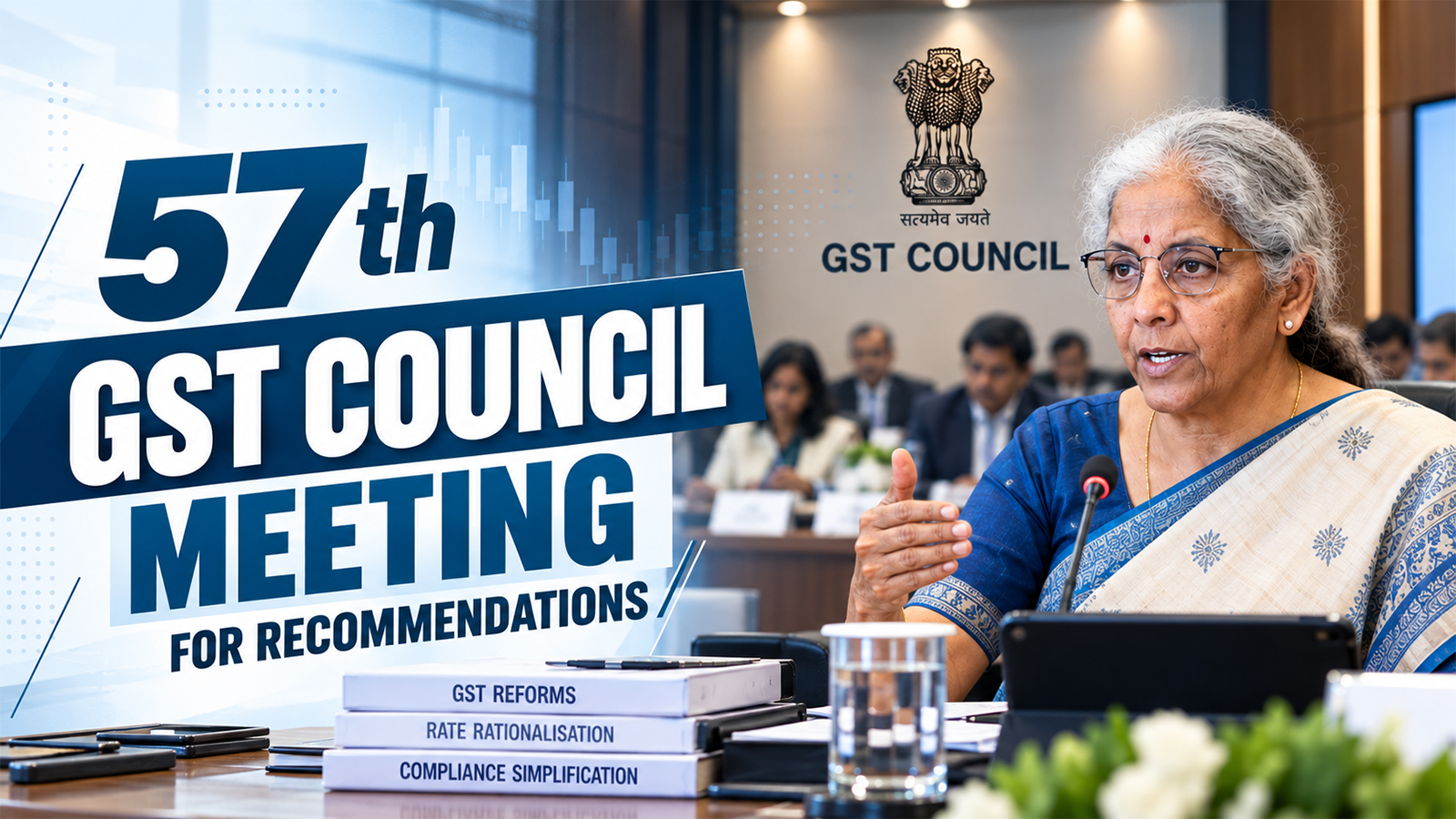
What Are the Latest GST Council Recommendations? GST Council Meet : Revoking Arrest Provisions and Faster Taxpayer Refunds
Fynnedge News Desk | October 9, 2026
Key Highlights
● The GST Council has recommended the removal of the arrest provisions from GST by raising the prosecution threshold from ₹1 crore to ₹5 crore.
● Eligible GST refund claims will have faster processing via automated and risk-based mechanisms.
● The general penalty has been recommended to be reduced from ₹25,000 to ₹10,000.
● GST rates have not changed with the 57th GST Council meeting.
● The reforms seek to ease tax compliance and reduce business costs by improving cash flow and reducing administrative burdens.
GST Council Recommends Major Changes to Tax Compliance and Refund Processing
Fynnedge brings you the latest financial and tax policy updates as the 57th GST Council meeting introduces significant recommendations to simplify compliance, improve refund processing and reduce the risk of punitive action to taxpayers. Chaired by Union Finance Minister Nirmala Sitharaman, the meeting was held in New Delhi on October 8, 2026, to improve the transparency and business friendliness of India's Goods and Services Tax (GST).
The Council recommended abolishing arrest provisions under GST, increasing the threshold for criminal prosecution and accelerating eligible tax refunds. These changes are set to boost ease of doing business for small enterprises, exporters and other taxpayers with working capital challenges.
As per the Finance Ministry, the recommendations are expected to take effect from April 1, 2027. The Council did not recommend any changes to existing GST rates.
GST Council Meeting: Key Decisions Explained
1. GST Arrest Provisions Recommended for Removal
One of the significant recommendations of the 57th GST Council meeting is the removal of arrest provisions under GST law. In addition, the Council recommended raising the limit of ₹1 crore to ₹5 crore for prosecution.
This recommendation aims to prevent disproportionate criminal justice system actions while ensuring sufficient tools to impose tax liabilities and recover taxes. Additionally, the Council recommended removing the mandatory minimum punishment provisions and left the decision of penalty or imprisonment to the Courts.
The recommendation will have a positive effect by providing businesses a clear distinction between non-compliance and criminal activity in cases of GST defaults.
2. Faster GST Refunds to Improve Business Cash Flow
The GST Council recommended amendments to the refund process to enable faster refunds to businesses.
As per the recommendation, the time for acknowledging the receipt of a refund application has been reduced from 15 days to 10 days. Furthermore, if the application is not acknowledged or a deficiency memo issued within 10 days of the application, it would be deemed to have been acknowledged.
The Council has also recommended that 90% of eligible refund claims be sanctioned within three working days following risk assessment. Refunds of excess balances in electronic cash ledgers are also expected to become automatic.
Faster refunds could help businesses manage operating expenses, pay suppliers and maintain working capital without relying as heavily on external borrowing.
3. General Penalty May Be Reduced
The Council has recommended reducing the general penalty from ₹25,000 to ₹10,000 where no specific penalty is prescribed.
It has also recommended a minimum monetary threshold of ₹10,000 for issuing GST notices, along with the withdrawal of pending notices below the prescribed threshold.
These measures are intended to reduce unnecessary disputes and make the compliance process more proportionate for taxpayers.
4. Relief for Small Businesses and E-Commerce Sellers
The meeting also focused on simplifying GST registration and compliance for small businesses. The Council approved in principle an optional annual return scheme for eligible businesses with turnover of up to ₹5 crore that supply exclusively to consumers. Under the proposed scheme, eligible taxpayers would file annual returns while paying GST quarterly.
Small sellers operating through e-commerce platforms may also benefit from simplified registration arrangements that make interstate sales easier, subject to the prescribed conditions.
For startups and growing enterprises, these measures could reduce administrative work and allow more attention to be directed towards business expansion.
What Do the GST Reforms Mean for Borrowers and Personal Loan Applicants?
The latest GST Council recommendations primarily concern tax administration and business compliance. They do not directly change personal loan interest rates, credit score requirements or lending eligibility.
However, improved cash flow can matter for business owners and self-employed individuals who manage regular household expenses alongside business obligations. Faster eligible GST refunds may help some business owners meet short-term financial commitments without immediately seeking additional borrowing.
Individuals considering a personal loan should still compare interest rates, processing fees, repayment tenure and the total cost of borrowing before applying.
Personal loan eligibility generally depends on factors such as income, existing EMIs, repayment history, credit profile and the lender's internal policies.
For those searching for a personal loan online, an instant personal loan or a personal loan for self-employed individuals, it is important to review the lender's terms carefully rather than making a borrowing decision based only on changes in tax policy.
How Fynnedge Helps Consumers Explore Loan Options
Fynnedge provides loan-related information and assistance to people exploring financing options for personal and business needs.
Consumers looking for a personal loan, business loan or other borrowing solutions can review the available options and understand the factors that may affect their eligibility.
Before choosing a personal loan, applicants should calculate their expected EMI, assess their monthly repayment capacity and check the applicable interest rate and charges.
A personal loan EMI calculator can help estimate monthly instalments based on the loan amount, interest rate and repayment tenure.
Business owners who may benefit from improved cash flow following eligible GST refunds should also assess their immediate funding requirements before deciding whether external financing is necessary.
GST Council Meeting: What Happens Next?
The Finance Ministry's announcements indicate that the latest recommendations focus on procedural changes rather than adjustments to GST rates. The proposed reforms cover enforcement, refunds, registration, input tax credit and dispute resolution.
The recommendations are expected to take effect from April 1, 2027, subject to the required legal and procedural steps. Businesses and taxpayers should follow official notifications for the final rules and implementation details.
For individuals and businesses following financial developments, Fynnedge will continue to cover relevant tax, lending and personal finance updates to help readers make informed financial decisions.