
11 Nov 2026
Nvidia in Trouble With Share Prices Following Leadership Issues
Nvidia’s Share Prices Dropped Amid Technological Stock Rise Due To Decrease in Oil Prices Amidst US-Iran Negotiations
Nvidia’s Share Prices Dropped Amid Technological Stock Rise Due To Decrease in Oil Prices Amidst US-Iran Negotiations
November 11, 2026: In the discussion panel of the Fynnedge specialisation group dealing with finance and marketplace trajectories, it is apparent how different factors, be it political events or corporate instability and public mood, make impact on the world economic situation. As of now, some optimistic movements can be recorded in the field of tech stocks, but losses experienced by Nvidia make it hard to be happy with these developments.
Tech Stocks Rally After Losing Ground
World technology stocks showed signs of bouncing back on Monday after losing substantial amounts of ground in recent sessions. This comes as investors started buying stocks that have fallen heavily due to fears of potential regulation for artificial intelligence companies following the US midterm elections.
The technology-heavy Nasdaq Composite opened higher, gaining around 0.9% during early trading. The Philadelphia Semiconductor Index, which keeps an eye on leading semiconductor companies, increased by 1.9%, reflecting revived interest from investors in the technology and chipmaking sector.
The recovery signalled that investors can overlook the political problems and think about the important growth potential of artificial intelligence, semiconductor production, as well as digital infrastructure.
Nvidia in Trouble With Share Prices Following Leadership Issues
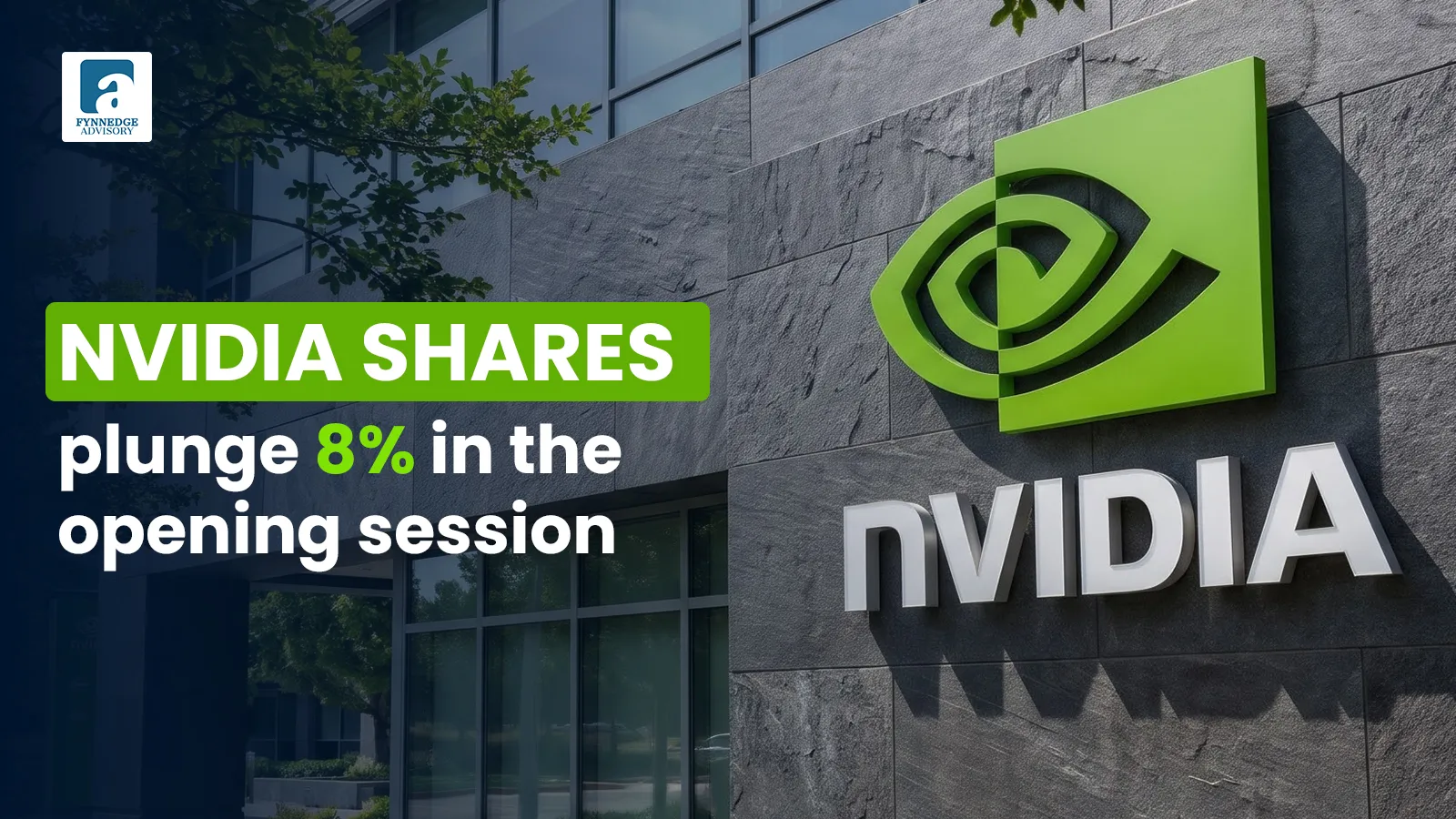
Despite the recovery that occurred all over the technology sector, Nvidia shares plummeted. Its shares dropped more than 8% at the beginning of trading in New York before recovering slightly to trade down over 5% during the early afternoon.
The decline followed reports that Nvidia's board would investigate whether its chief executive, Jensen Huang, had been targeted in a possible foreign intelligence operation. The controversy emerged after reports about his personal relationship with an executive allegedly connected to a Chinese espionage investigation.
Overall, this has created uncertainty for investors due to Huang's significant influence on Nvidia's business strategy and within the global AI market.
However, market analysts have suggested that investors are focusing on this as a company-specific issue.
This has caused wider conversations about how companies are run, national security concerns and how companies operate internationally. This could pose risks to companies in key technology markets.
Oil Prices Fall to Boost Markets
Another major boost to market sentiment has been the large fall in international crude oil prices. Oil prices fell by around 5% as increasing expectations of talks between the US and Iran began to reduce tensions.
Prices of Brent Crude futures dropped by around 5.5%, falling to just over $92.90 per barrel. Crude prices dropped by almost 4.9% to $86.34 per barrel.
The fall in crude prices helped reduce concerns about rising inflation and energy-related expenses. Lower oil prices can benefit several industries, including transportation, manufacturing and logistics, by reducing operating costs.
For major oil-importing economies such as India, sustained reductions in international crude prices could also help ease pressure on import bills, currency stability and domestic inflation. However, the actual impact on consumers depends on currency movements, taxation and domestic fuel pricing policies.
Global Markets Show Mixed but Improving Sentiment
The positive movement was not limited to the United States. Several European and Asian markets also recorded gains as investors responded to improving sentiment across global financial markets.
European indices, including the FTSE 100, CAC 40 and DAX, moved higher during afternoon trading. Japan's Nikkei 225 also closed with gains, although some Asian markets continued to experience pressure.
The US dollar weakened against several major currencies, reflecting changing investor expectations and movements across international financial markets.
These developments demonstrate how political decisions, energy prices and corporate announcements can influence investment activity across different regions.
What the Market Movement Means for Investors
The latest developments highlight the importance of looking beyond individual stock movements when evaluating the broader financial environment. While Nvidia's decline attracted attention, the recovery in other technology shares indicated that investor confidence in the artificial intelligence sector had not completely weakened.
For investors, the situation also reinforces the importance of diversification, understanding company-specific risks and following global economic developments before making investment decisions.
Fynnedge's finance-focused perspective highlights that changes in crude oil prices, geopolitical developments and technology-sector performance can collectively influence market expectations. Investors should therefore consider both domestic and international economic indicators while assessing their financial decisions.
Conclusion
The recovery in technology shares, despite Nvidia's sharp decline, reflects the changing nature of investor sentiment in global markets. Falling oil prices further supported the recovery by easing some concerns about inflation and energy costs. However, uncertainty surrounding corporate leadership, international relations and possible regulatory changes continues to influence market behaviour.
As global financial conditions evolve, investors will closely monitor developments in the technology industry, crude oil markets and geopolitical negotiations to understand their potential impact on future market performance.
Updated